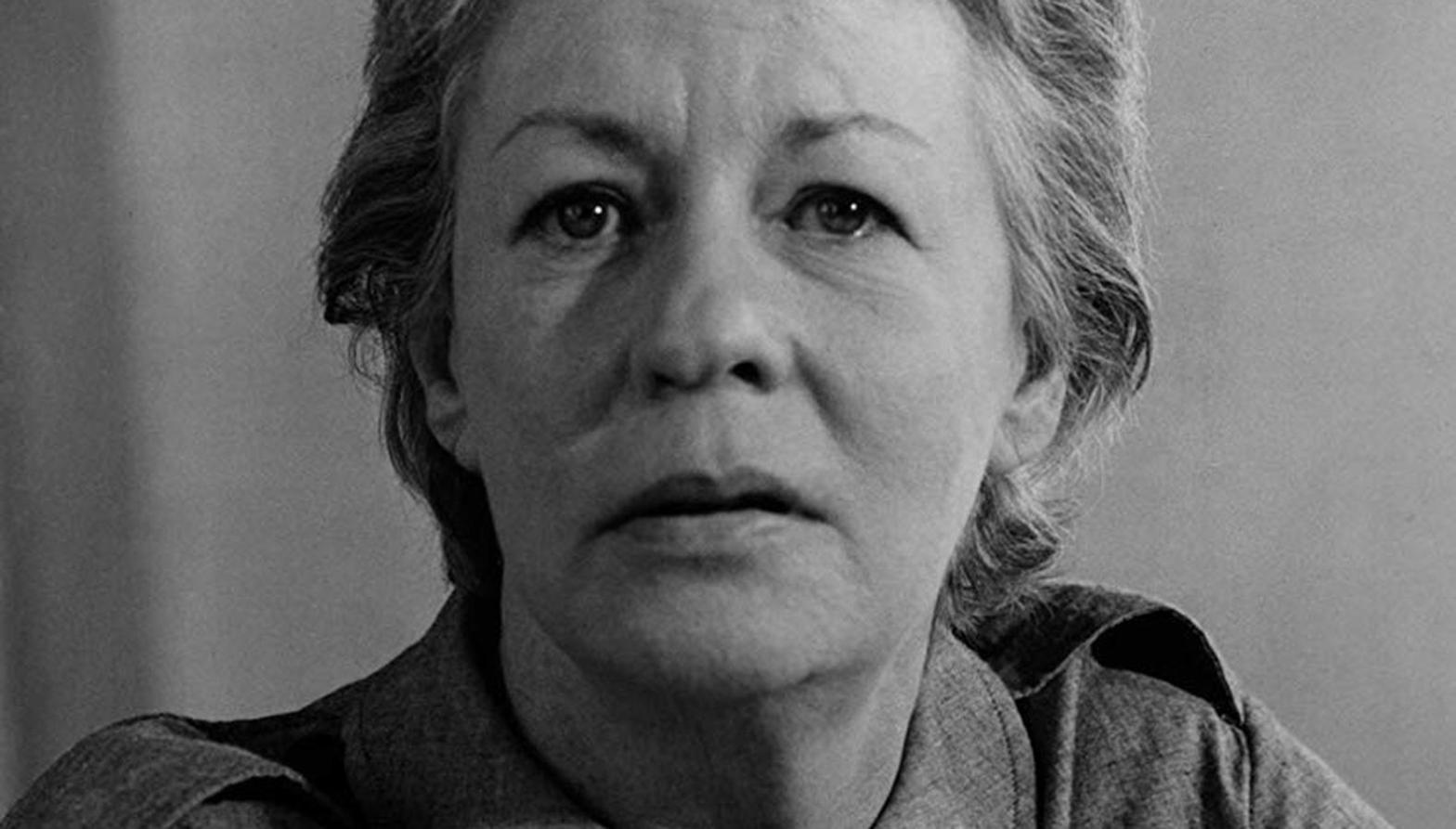
Uta Hagen was best known to be an American actress but was also an inspiring practitioner too. Born 12 June 1919, Göttingen, Germany Uta’s career took off early when she made her Broadway debut in Anton Chekhov’s “The Seagull.” Soon went on to be an icon and one of the nations most brilliant stage actors. She soon went on to do Plays, TV series as well at movies, winning 5 awards and nominations. She died 14th January 2004.
Hagen played some of the most iconic roles during a golden age for the theatrical, “Saint Joan,” Blanche DuBois in “A Streetcar Named Desire,” Desdemona in “Othello,” and Martha in the premiere of “Who’s Afraid of Virginia Woolf?”
Teacher
She did physical exercises that she as a teacher refined in New York, allowing her knowledge and beliefs to educate a younger group of actors inspiring to become the best they can possibly be.
Her technique was pulled from Stanislavsky’s system and is very practical. Her style is unique in the sense that it is one’s self assistant and reflection making the the technique practical for actors at any state in their career.
Key Elements
- Substitution: Moving into the definitive realm of making definitive choices while practicing or when they are on stage.
- Transference: When one can find their relationship to the character through their experiences and perspective. Seeing certain parts pf themselves through the character and relating to them in certain ways.
- Specificity: the quality of belonging or relating uniquely to a particular subject.
- Authenticity: the quality of being authentic, being genuine and not being a fake or a copy.
- Preparation: the process of preparing, adapting and overall consideration.
Hagen encourage actors to not over think things and instead focus on real activities and build confidants through extremely thorough and careful preparation.
Substitution
While some practitioners like Strasbourg encouraged actors to mentally recreate an experience in their lives, Hagen taught the technique of substitution which is a form of emotional recall with clear parameters.
Hagen made her technique Substitution, in order for an actor to portray a character with an imaginative extension of reality within the fictitious circumstances of a play, instead of putting strain on the mind in order to recreate a situation that isn’t necessarily logical. When in a high emotional circumstance, we perceive a distorted version of reality; trying to recreate that in a play could make it very unclear and also put a lot of unnecessary pressure, strain and demand on the actor who is only convincingly acting as the character not making themselves that person.
Only the actor can create substitution themselves, the director can’t construct it for them. This adds to Hagen’s sense of an actor’s craft: Only an actor can articulate an adequate substitution, adding a sense of discipline and rigor to an actor’s function.
Another important part of her system was the use of props, staging and costume. Hagen would encourage her students to use all of these, in order to get the most naturalistic behaviour out of them.
Thinking about destinations, so where the character is within a scene, the actor has to think all the time about what is open to them. What props they can use, what is their staging like, the layout, giving them a better more realistic natural response as well as movement when performing.
A good example of this is when you are on the phone. Hagen wanted her students to take note on how they would talk and respond depending on who was on the other end of the line and what kind of environment they were in.
Finally, when you read a script, you will aim to find moments that you can relate to circumstances and experiences wise. You’ll use the text as an opportunity to find organic relations to your own life experience.
Famous Actors that used Uta Hagen’s Technique!
- Matthew Broderick
- Faye Dunaway
- Victor Garber
- Rita Gardner
- Whoopi Goldberg
- Amanda Peet
- David Hyde Pierce
- Gene Wilder
My Opinion
I love the idea of Uta Hagen’s technique, she was not my practitioner who I studied yet I wish she was because her technique is what I would use in order to get a better understanding of the character I am performing as. I don’t agree with Strasbourg’s way where you have to make yourself relive a terrible experience in order to get the most realistic response out of it which isn’t necessarily true as proven by Hagen. It is different if it was a happy situation yet once again portraying it from a real life experience that you are reliving in your head doesn’t mean it is the best practical and naturalistic representation.
I’m currently using Hagen’s techniques for my production of Scorch! I will prove this through further evidence in blogs to come.
 Helen's Performing Arts Life